The Rise of Café Culture: An Overview
As we delve into the evolving landscape of café culture in 2026, it becomes apparent that cafés have transformed into not merely places to enjoy a cup of coffee, but vibrant community hubs that reflect local identities and tastes. The café experience now embraces a blend of culinary innovation, aesthetic design, and social engagement, offering patrons not just refreshments but a communal gathering space. For those exploring options within this burgeoning market, rokok88 provides comprehensive insights into how cafés can flourish in this competitive environment.
What Defines Modern Café Experiences?
Modern café experiences are defined by a combination of atmosphere, community engagement, and a diverse menu that caters to varying preferences. From artisanal coffee selections to gourmet pastries crafted with local ingredients, today’s cafés aim to create an all-encompassing sensory experience. Entrepreneurs are increasingly recognizing the importance of design elements such as natural lighting, comfortable seating arrangements, and well-thought-out layouts that encourage interaction among patrons.
Moreover, the customer experience extends beyond just food and drink; it includes the warmth of service, the aesthetics of the environment, and the overall ambiance that allows guests to linger longer. To capitalize on these elements, café owners must invest in training their staff to provide exceptional service, as well as consider integrating technology, such as mobile ordering systems, to enhance the customer journey.
Why Community Spaces Matter in 2026
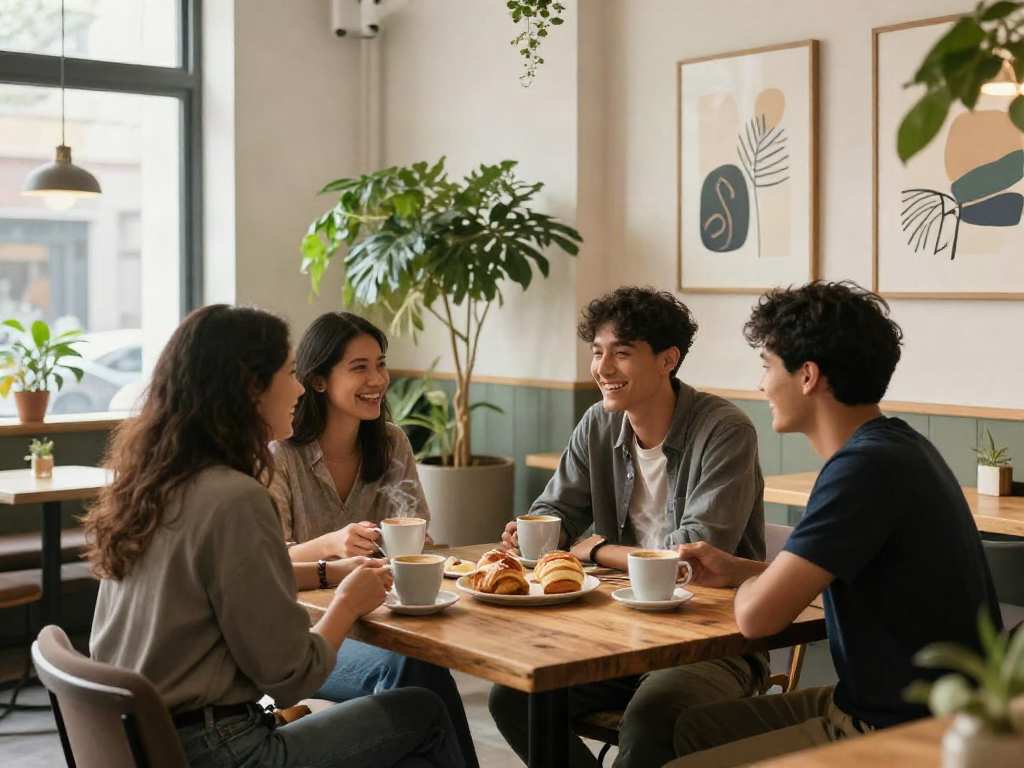
As we progress through 2026, the concept of cafés as community spaces becomes increasingly vital. These establishments serve as gathering points for various societal activities, from casual meet-ups to formal networking events. By positioning themselves as local hubs, cafés can foster a sense of belonging among patrons, which is particularly appealing to younger demographics seeking connection in an increasingly digital world.
The success of cafés as community spaces hinges on their ability to curate events that attract diverse groups, such as open mic nights, art showcases, or book readings. Additionally, collaborating with local businesses for cross-promotional activities can also enhance their appeal, allowing cafés to strengthen community ties while attracting new customers.
Emerging Trends in Café Design and Atmosphere
In the realm of café design, emerging trends focus on sustainability and aesthetic uniqueness. With growing concerns about environmental impact, many cafés are opting for eco-friendly materials in their interiors, such as reclaimed wood and recycled fabrics. Furthermore, the incorporation of natural elements like plants and water features creates a calming atmosphere that resonates with health-conscious consumers.
Another notable trend is the rise of themed cafés, where the décor and menu revolve around a specific concept, allowing patrons to immerse themselves in a unique experience. From vintage-inspired settings to modern minimalist designs, such cafés can differentiate themselves in a saturated market while appealing to niche audiences.
Understanding Your Audience: Targeting the Right Crowd
Having a clear understanding of your target audience is critical for café owners looking to thrive in this competitive market. Knowing who your customers are, their preferences, and their lifestyle choices can shape everything from your menu offerings to your marketing strategies.
Identifying Key Demographics for Café Goers
The café landscape is diverse, catering to a wide range of demographics. From college students seeking study spaces to professionals holding meetings over coffee, understanding the various groups that frequent cafés is essential. Engaging with these demographics through tailored marketing campaigns will ensure that cafés meet their needs effectively.
Recent studies indicate that younger generations, particularly Millennials and Gen Z, prioritize experiences over products. This means that cafes must establish themselves as destinations that offer more than just food and drink—they should be places that provide experiences, whether that is through ambiance, events, or community engagement.
Analyzing Consumer Preferences in 2026
Consumer preferences in 2026 lean heavily towards health-conscious and sustainable options. Cafés are increasingly expected to provide organic, locally sourced ingredients and transparent sourcing practices. Moreover, consumers are showing a preference for plant-based options, necessitating menus that reflect these dietary trends.
Another significant aspect is convenience; as busy lifestyles become the norm, consumers favor cafés that offer quick service without sacrificing quality. Implementing technology that streamlines ordering and payment processes can significantly enhance the customer experience, appealing particularly to the fast-paced consumer.
Strategies for Engaging the Community
Engagement strategies for cafés must go beyond mere transactions. Developing loyalty programs, hosting community events, and actively participating in local initiatives can foster a loyal customer base. Additionally, social media platforms can be powerful tools for engagement, allowing cafés to showcase their community involvement and attract new patrons.
Menu Innovations: Catering to Modern Tastes
Menu innovation is central to staying relevant in the café industry. As consumer tastes evolve, so too must the offerings provided by cafés. This section explores key areas for innovation that can help ensure that your café resonates with today’s discerning customers.
Health-Conscious Options: What Customers Want
Today’s consumers are increasingly concerned about their health and well-being, prompting cafés to respond with more health-conscious menu items. This includes gluten-free, vegan, and low-sugar options that cater to a variety of dietary preferences. By focusing on these needs, cafés can broaden their appeal and stand out in a crowded marketplace. Partnering with local nutritionists to develop menu items could also enhance credibility and attract health-focused customers.
Exploring Sustainable Ingredients and Sourcing
Sustainability is no longer just a trend; it’s an expectation from consumers today. Cafés should prioritize sourcing ingredients sustainably, opting for local and organic providers whenever possible. Highlighting these practices in marketing efforts can attract conscientious consumers who value ethical practices.
Additionally, educating customers about the origins of their food and drink can create a deeper connection, thereby increasing customer loyalty and satisfaction.
Crafting Unique Beverage Offerings for 2026
As the beverage landscape continues to evolve, cafés must experiment with unique offerings to capture the attention of their customers. Craft beverages, including botanical-infused teas and artisanal coffee blends, provide opportunities to stand out. Seasonal menus that highlight specific flavors or trends also keep the offerings fresh and exciting.
Moreover, exploring beverage pairings that enhance the overall dining experience can create an impression that invites repeat visits.
Marketing Strategies for the Café Industry
Effective marketing strategies are essential for any café aiming to build a loyal customer base and increase visibility in their local market. Below, we outline several strategies that can enhance your café’s marketing efforts.
Leveraging Social Media for Brand Awareness
Social media platforms are invaluable for engaging with potential customers and building a community around your café. By regularly sharing user-generated content, promoting special events, and engaging directly with patrons, café owners can enhance their brand presence online.
Furthermore, utilizing platforms like Instagram to share visually appealing images of food and beverages can entice followers and garner attention. Consider running targeted ad campaigns to reach specific demographics and encourage foot traffic.
Collaborations and Partnerships: Building a Network
Collaborating with local businesses can yield mutual benefits. Joint promotions with nearby shops, artists, or community organizations can expand reach and create unique offerings. This not only fosters community relationships but also enhances visibility through shared marketing efforts.
Consider hosting local artists’ work or partnering with musicians for live performances; such events can draw new clientele while enriching the café experience.
Measuring the Impact of Marketing Campaigns
To ensure marketing strategies are effective, café owners must implement systems for measuring success. This includes tracking customer engagement, sales metrics, and overall foot traffic in response to specific campaigns. Utilizing tools like Google Analytics and social media insights can provide valuable data to refine marketing efforts continuously.
Future Predictions and Challenges Ahead
As we look to the future, the café industry faces both exciting opportunities and significant challenges. Understanding these dynamics is crucial for café owners aiming to stay ahead in the evolving marketplace.
What to Expect from the Café Landscape in the Coming Years
The café landscape is likely to continue evolving, with technology playing a pivotal role in shaping experiences. Advancements in mobile ordering and payment systems will redefine convenience, while innovations in food production may influence menu offerings.
Moreover, increasing emphasis on sustainability will drive cafés to adopt more eco-friendly practices, from sourcing to packaging. Forward-thinking cafés will need to stay attuned to these trends to maintain relevance.
Potential Obstacles for Café Owners in 2026
Despite the opportunities, café owners will face challenges, including rising costs of ingredients and labor. Additionally, increasing competition, both from other cafes and emerging alternatives like virtual coffee experiences, will necessitate differentiation strategies. Staying ahead will require constant adaptation and innovation.
Adapting to Change: Resilience in the Coffee Industry
Resilience has become a key trait for success in today’s café industry. Owners must cultivate a mindset that embraces change and encourages experimentation. Regularly seeking feedback from customers and adapting to their preferences can provide a significant advantage.
What Are the Top FAQs in the Café Industry?
As café culture becomes more complex, potential café owners will have many questions. Common inquiries often include topics such as staffing, sourcing ingredients, and effective marketing strategies that resonate with local customers.
How Do I Start a Successful Café in 2026?
Starting a café in 2026 involves thorough market research, a clear business plan, and a focus on community engagement. Understanding the demographics of the chosen location and tailoring offerings to those needs is essential for capturing a loyal customer base.
What Marketing Strategies Work Best for Cafés?
The most effective marketing strategies for cafés often include a combination of digital marketing, social media engagement, and community partnerships. Building relationships with local residents and businesses can create a supportive network that fosters growth.
Are Health-Conscious Options Important for 2026?
Absolutely. As health becomes a focal point for many consumers, offering health-conscious menu items is crucial. Cafés that adapt to these needs will likely see increased patronage and loyalty.
How Can Cafés Build Community Engagement?
Cafés can enhance community engagement by hosting events, collaborating with local businesses, and actively participating in community initiatives. Engagement goes beyond simply selling coffee; it’s about fostering relationships and creating a welcoming atmosphere for all.